Turn shafts, flanges and housings with predictable roundness and runout
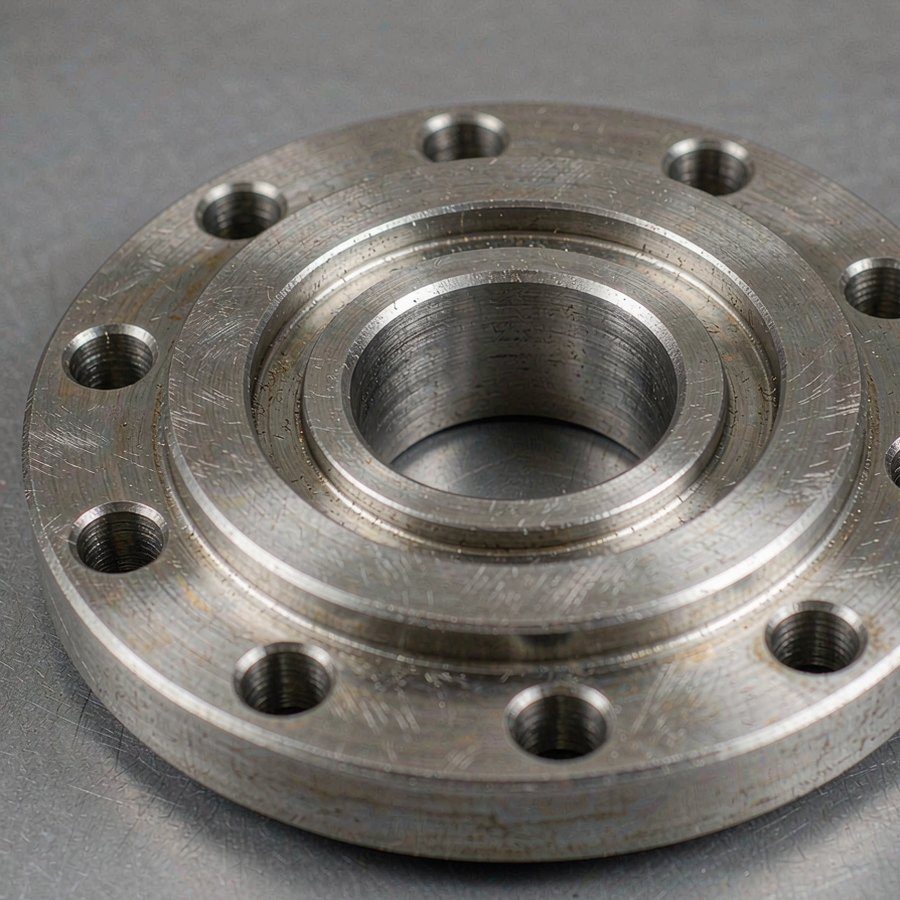
Rotational parts, one controlled workflow
CNC Turning & Turn-Mill
Turning and milling features completed in a single setup, so concentricity and cross-feature relationships hold on every batch.
15 years
manufacturing experience
85+
machining & inspection systems
3/4/5-axis
milling, turning & turn-mill
Worldwide
B2B engineering support
Built around the buyer's requirement
Concentricity held from the first part to the last.
Complete cross-holes, flats and slots without a second operation
Keep concentric features in one clamping orientation
Scale the same program from trial batch to repeat supply
01
Where turning and turn-mill fit
Turning suits parts where a rotational axis defines most of the geometry: shafts, stepped flanges, bushings and housings. When those parts also need cross-holes, flats, milled pockets or axial slots, a turn-mill sequence keeps every feature tied to the same spindle datum.
Splitting that work across two machines adds a second clamping, a second datum and a second chance for error. Combining it is usually the cheaper route once the part needs more than one off-axis feature.
- Shafts with steps, threads and keyways
- Flanges with bolt patterns and sealing faces
- Housings with bored seats and cross features
- Small precision hardware in repeat batches
02
Setup choices that protect accuracy
Bar-fed work suits small parts in volume; chuck work suits larger diameters and shorter runs. Where runout matters, the part is finished in the same clamping as the datum, or the datum is re-established deliberately rather than assumed.
Tool wear and thermal drift show up first on long batches. Programs include checks at defined intervals so diameter and length stay inside tolerance without waiting for a rejected part to reveal the trend.
03
Finish and documentation
Turned surfaces are usually the functional ones, so finish specification is agreed early: what is measured, on which surface and against which comparator. Threads are gauged, not estimated.
For repeat orders, the approved program, tool list and inspection routine become the reference set that every later batch is measured against.
Prototype to production
A practical B2B manufacturing path
Every stage remains connected to the approved drawing, revision and purchasing requirements.
-
01
Feature audit
Separate turned features from milled features and define the datum.
-
02
Machine selection
Match bar-fed or chuck work, tooling and clamping to the batch size.
-
03
Trial batch
Confirm runout, thread fit and surface condition on the first parts.
-
04
Repeat control
Hold the approved program, tool life checks and gauging routine.
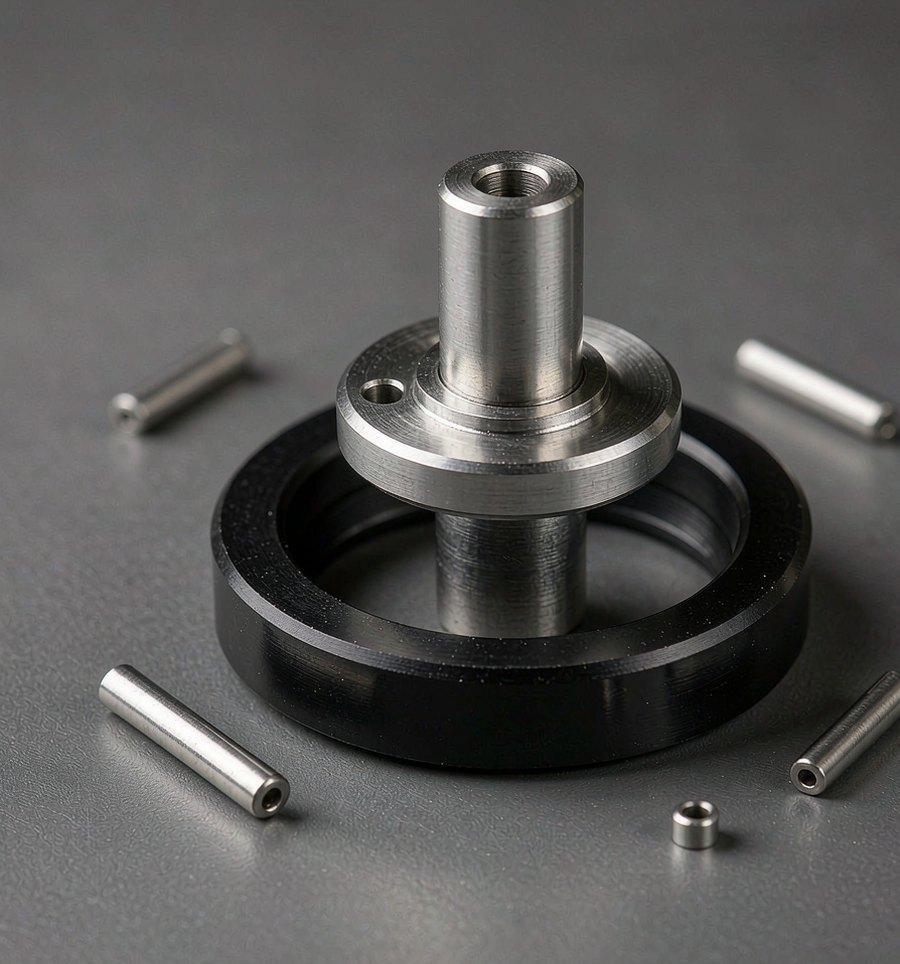
Inspection scope defined before production
Quality evidence for supplier approval
Measurement methods follow the released drawing and the purchase-order requirements agreed at quotation.
- Roundness, concentricity and runout
- Thread gauge and pitch diameter verification
- Datum-to-feature positional relationships
- Surface finish against the agreed comparator
- First-article and repeat-batch consistency
Engineering and procurement FAQ
Answers before you request a quote
When is turn-mill better than turning plus milling?
Once a part needs off-axis holes, flats or pockets, one clamping usually reduces datum error and handling time compared with two operations.
What diameters and lengths can you turn?
Capacity is confirmed per project against the drawing; send the part envelope with the RFQ and the route will be quoted accordingly.
Can threads be produced to a specific gauge?
Yes. State the thread standard and gauge requirement; threads are verified with the agreed gauge rather than by eye.
Do you support repeat batches over several years?
Approved programs, tool lists and inspection routines are retained so later batches run from the same reference.
Start with complete project data
Send your drawings for engineering review.
Include STEP files, 2D drawings, material, quantities, tolerances, finish, inspection and delivery requirements.