Hold a real machined part before committing tooling budget
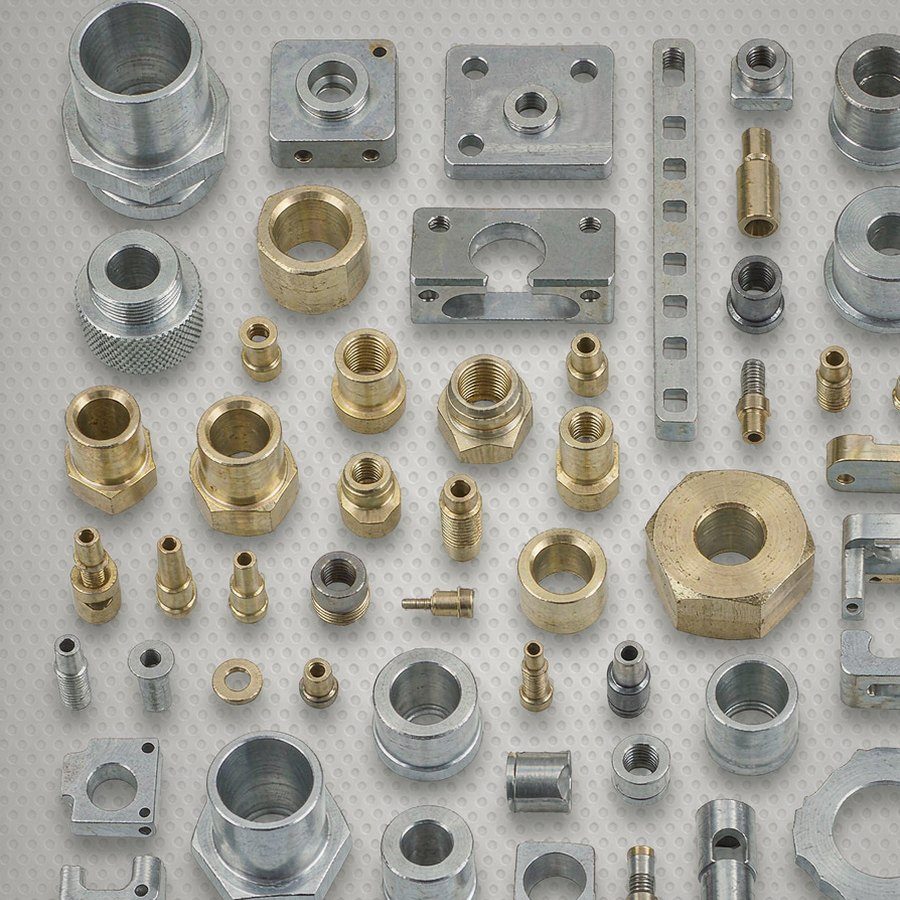
Engineering samples without production risk
Prototype & Low-Volume
Get a functional part in hand, prove the fit, then move to controlled batch supply with the same process reference.
15 years
manufacturing experience
85+
machining & inspection systems
3/4/5-axis
milling, turning & turn-mill
Worldwide
B2B engineering support
Built around the buyer's requirement
Prove the design, then scale it.
Test fit, function and finish against the mating assembly
Capture the setup knowledge that batch production will need
Ramp from one piece to pilot and repeat quantities
01
What a prototype is for
A prototype answers questions that a model cannot: does the bracket sit flat, does the connector clear the housing, does the seal land on the machined face. Machining the real material is the fastest way to find out.
Low-volume work sits close behind. Pilot runs expose process stability and inspection load before a full release, and they produce the samples that customer approval usually depends on.
- Single-piece engineering samples
- Pilot batches for fit and function testing
- Bridge quantities ahead of tooling release
- Replacement parts for legacy equipment
02
Design feedback that pays for itself
Prototype review is where DFM comments are cheapest to act on: a corner radius that removes a second setup, a tolerance that can relax without affecting function, a wall thickness that will deflect under clamping.
We report those findings with the sample rather than after the batch, so the drawing can be revised once and released properly.
03
Carrying the process forward
Prototype fixtures and programs are documented so the route into repeat production is a continuation, not a restart. Where the prototype used flexible workholding, the batch version is planned at the same time.
Approved sample parts become the physical reference for later inspection, which keeps first-article checks meaningful.
Prototype to production
A practical B2B manufacturing path
Every stage remains connected to the approved drawing, revision and purchasing requirements.
-
01
File check
Review geometry, tolerance intent and the assembly the part fits into.
-
02
Prototype run
Machine samples with the intended production route where practical.
-
03
Fit validation
Confirm function with the mating parts and record any drawing change.
-
04
Batch release
Freeze the approved revision, fixtures and inspection plan.
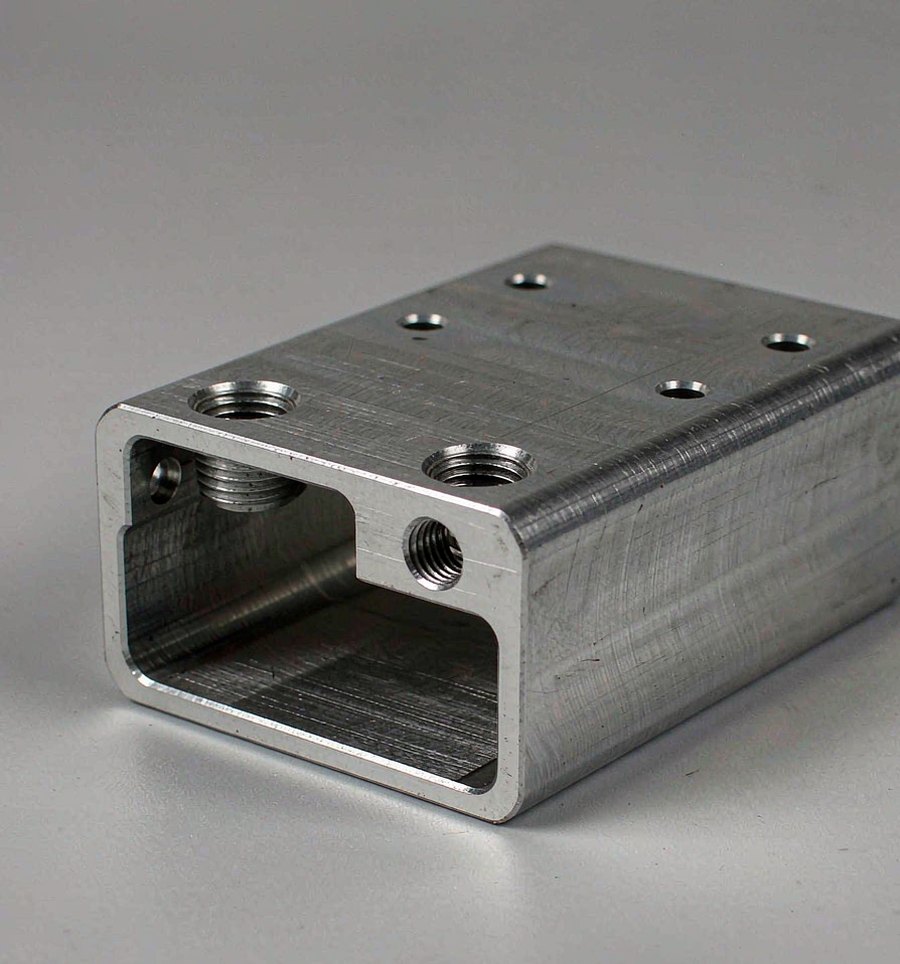
Inspection scope defined before production
Quality evidence for supplier approval
Prototype and pilot parts are measured against the same drawing that governs production, so approval evidence transfers directly.
- Dimensional report on the critical features
- Fit check against supplied mating parts
- Material and finish confirmation
- Documented drawing revision used
- Sample retained as the physical reference
Engineering and procurement FAQ
Answers before you request a quote
Is there a minimum order for prototype work?
Single pieces are accepted. Cost per part falls sharply as quantity rises, so a small pilot batch is often the better value.
Can prototypes be made in the final material?
Yes, and it is usually worth it when mechanical behaviour or finish matters. Substituting material changes fit and feel.
How quickly can a sample be produced?
Lead time depends on geometry, material availability and finishing; it is confirmed with the quotation rather than assumed.
Will the prototype process be used for production?
Where practical, yes. The same route is preferred so that approval evidence carries into the batch.
Start with complete project data
Send your drawings for engineering review.
Include STEP files, 2D drawings, material, quantities, tolerances, finish, inspection and delivery requirements.