Machine the features that actually carry function, without extra setups
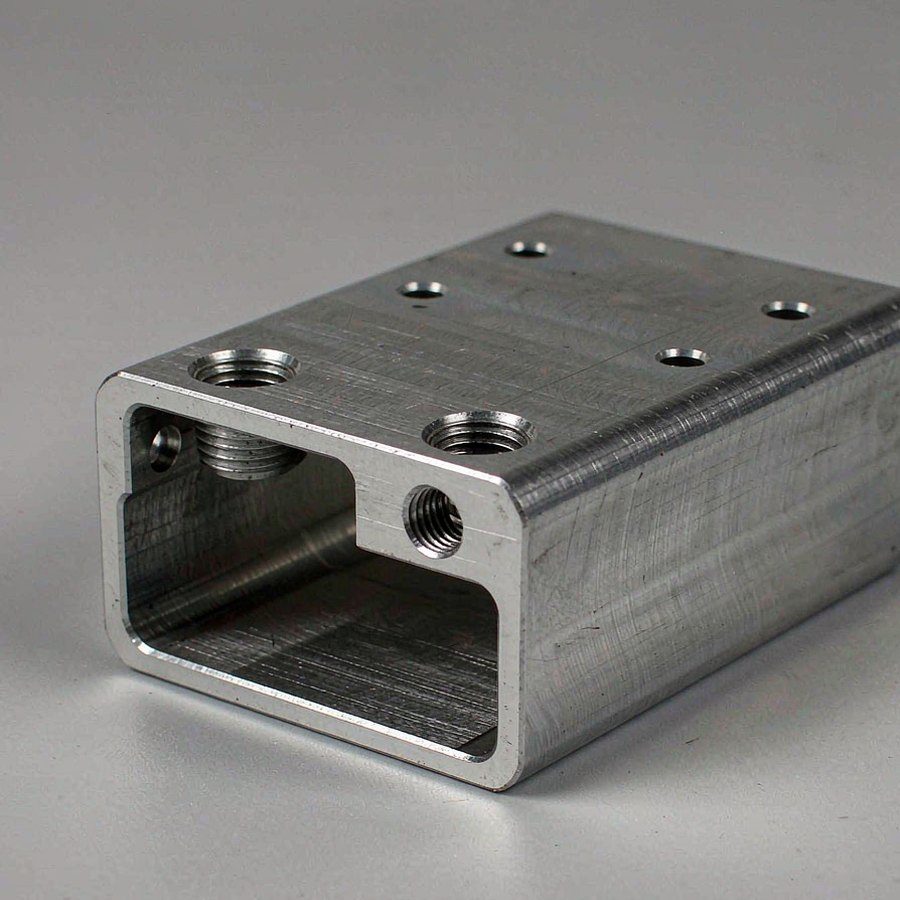
Machining from your released drawing
Custom CNC Machining
One supplier for milled, turned and turn-mill components, with engineering feedback before the first chip is cut.
15 years
manufacturing experience
85+
machining & inspection systems
3/4/5-axis
milling, turning & turn-mill
Worldwide
B2B engineering support
Built around your requirement
From a complete RFQ to a controlled supply route.
Keep tolerances, finish and inspection scope aligned with the drawing
Validate difficult geometry on a prototype before committing to batch
Hold the approved process stable across repeat orders
01
What custom machining covers
Custom CNC machining starts from geometry that already exists: a released drawing, a STEP model or a physical sample. Our job is to translate that geometry into a process that reaches the stated tolerance, finish and quantity without introducing handling risk.
The same part may suit 3-axis milling, indexed 4-axis work, simultaneous 5-axis machining, turning or a turn-mill sequence. The route is chosen after reviewing feature access, rigidity, tolerance stack and order volume rather than by default.
- Brackets, plates and housings with multi-face features
- Shafts, flanges and rotational parts
- Mixed mill-turn components completed in one workflow
- Prototype, pilot and repeat production quantities
02
Process planning before cutting
A workable sequence fixes datums first, protects the part during roughing and reserves finishing passes for the surfaces that matter. Tool length, holder clearance, machine travel and chip evacuation are reviewed before the program is released.
Workholding has to give access without letting the component move under cutting load. Prototype work can use flexible fixtures; repeat orders usually move to soft jaws, fixture plates or dedicated supports tied to approved setup instructions.
03
Inspection tied to function
Inspection follows the relationships the drawing defines: feature position, bore and hole geometry, profile, mating faces and functional datums. CMM work, gauges and hand measurement are combined according to the agreed quality plan.
Customers should state first-article reporting, selected dimensional results, revision control and material or finishing documentation during quotation, so the inspection scope matches their supplier approval requirements.
Prototype to production
A practical B2B manufacturing path
Every stage stays connected to the approved drawing, revision and purchasing requirement.
-
01
Drawing review
Confirm datums, critical features, tolerance relationships and open questions.
-
02
Process route
Select machine type, tooling and workholding for stable access.
-
03
First article
Validate geometry, fit and finish on a sample before batch release.
-
04
Repeat supply
Hold approved programs, setup references and inspection routines.
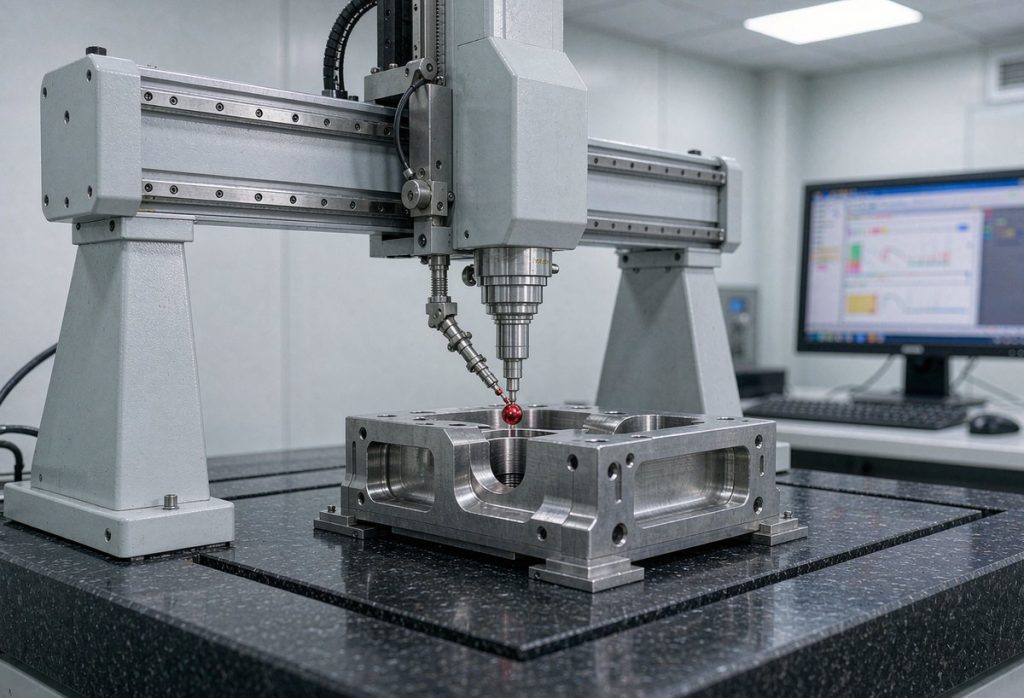
Inspection scope defined before production
Quality evidence for supplier approval
Measurement methods and documentation are selected from the released drawing and the agreed purchase-order requirements.
- Datum-to-feature positional relationships
- Bore, hole and thread geometry
- Profile and mating-surface requirements
- Edge, burr and deburring condition
- First-article and repeat-batch consistency
Engineering and procurement FAQ
Answers before you request a quote
What information is needed to quote a machined part?
A 3D model or 2D drawing, material, quantity, critical tolerances, finish, inspection scope and delivery requirement.
Can you machine from a physical sample only?
Yes. The sample is measured and converted into a drawing that both sides approve before production.
Do you handle both prototypes and repeat orders?
Prototype validation confirms access, workholding and inspection, then controlled programs and fixtures carry the part into repeat supply.
How are material certificates handled?
Material and finish documentation is quoted per project; state the certificate and traceability requirement in the RFQ.
Start with complete project data
Send your drawings for engineering review.
Include STEP files, 2D drawings, material, quantities, tolerances, finish, inspection and delivery requirements.